Rumah

Blog Tentang DIY Smart Home Hub Integrates ESP32 with Touchscreen

Sertifikasi
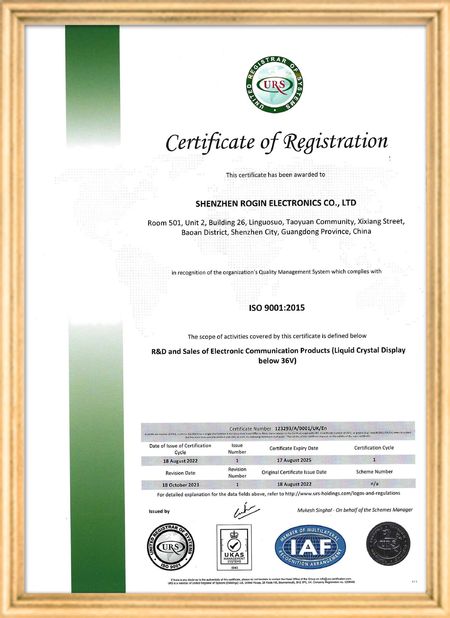
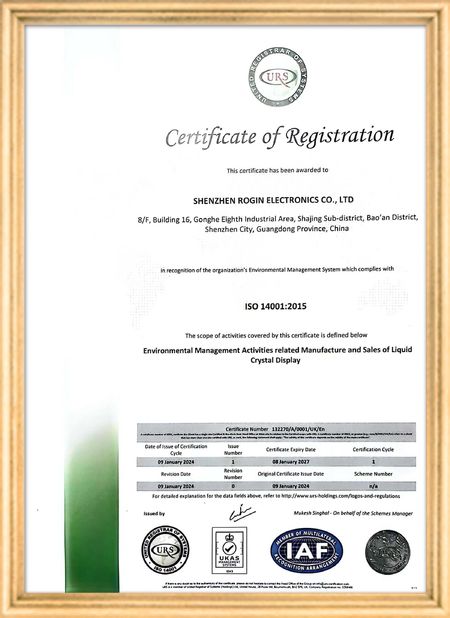
Cina Shenzhen Rogin Electronics Co., Ltd. Sertifikasi
Ulasan pelanggan
Tampilan ini bekerja dengan sempurna di trem. Kecerahan tinggi, anti silau, dan stabil bahkan di bawah getaran jangka panjang. Penumpang suka pemandangan yang jernih.

—— Kasper Sørensen

Warna akurat, respons cepat, dan startup suhu rendah normal. Sangat cocok untuk lingkungan sistem kereta api yang keras.

—— Nicole Becker

Instalasi mudah, rentang suhu lebar, dan visibilitas luar biasa di lingkungan terang. Layar ini memenuhi semua persyaratan peralatan industri kami.

—— Giovanni

Layar LCD dengan kecerahan tinggi ini sangat cocok untuk panel kontrol industri kami. Layar tetap jernih bahkan di bawah sinar matahari langsung di bengkel dan beroperasi 24/7 tanpa masalah. Kualitas kelas industri yang hebat.

—— Lukas Müller

I 'm Online Chat Now
perusahaan Blog
DIY Smart Home Hub Integrates ESP32 with Touchscreen
berita perusahaan terbaru tentang DIY Smart Home Hub Integrates ESP32 with Touchscreen

Imagine controlling your home's lighting, curtains, and air conditioning with just a tap. This is no longer a scene from science fiction but a reality you can create yourself. Today, we explore how to combine the ESP32 microcontroller with a 3.5-inch TFT touchscreen to build a personalized smart home control center.

The Freedom of DIY Smart Home Solutions

Have you ever been overwhelmed by the myriad of commercial smart home products—expensive yet unable to meet your specific needs? The beauty of DIY lies in its creative freedom, allowing you to tailor solutions to your lifestyle. The ESP32, a powerful microcontroller with built-in Wi-Fi and Bluetooth, has become makers' favorite due to its rich interfaces and open-source ecosystem. Paired with a 3.5-inch TFT touchscreen, it creates an intuitive interface for your smart control hub.

How the System Works

The project's core combines the ESP32's processing power with the touchscreen's interactivity. Through programming, the ESP32 interprets touch inputs to control connected smart devices. You could design an interface with room icons—tapping a bedroom icon might reveal options to adjust lighting or set the AC temperature. The ESP32 connects via Wi-Fi to your home network, enabling remote control and even integration with mobile apps.

Getting Started

Implementing this requires foundational technical skills: programming the ESP32 (using Arduino IDE or ESP-IDF), understanding TFT display drivers, and basic circuitry. Beginners can start with simple LED controls before advancing to complex automations like "Movie Mode"—one tap dims lights, closes curtains, and turns on the TV. Numerous online tutorials and open-source projects provide valuable guidance.

Creativity and Customization

This combination doesn't just deliver smart home convenience—it sparks innovation. Design unique interfaces with personalized shortcuts that make the system truly yours. This project transcends technology; it's an exploration of lifestyle enhancement through customization.

Safety Considerations

While enjoying the DIY process, prioritize electrical safety and network security. Verify all connections and secure your Wi-Fi with strong passwords to protect your system from interference.

Pub waktu : 2026-07-01 00:00:00 >> blog list
Rincian kontak
Shenzhen Rogin Electronics Co., Ltd.

Kontak Person: Mr. Kelvin Zhu

Tel: +86 15919061504

Mengirimkan permintaan Anda secara langsung kepada kami (0 / 3000)